Rethinking Dementia: Uncovering New Paths to Diagnosis and Treatment
Rethinking Dementia: Uncovering New Paths to Diagnosis and Treatment

For decades, scientists have searched for ways to stop Alzheimer's disease and related dementias, but progress has been slowed by a fundamental challenge: researchers still don’t fully understand why the toxic proteins linked to these diseases accumulate in the brain.
UCSF School of Pharmacy researchers are tackling that question from multiple directions, from detecting disease earlier to developing therapies that target the biological processes driving neurodegeneration.
Much of that work centers on tau, a protein that plays an essential role in healthy neurons but that can become toxic when it accumulates in the brain.

“We've learned that dementia is not caused by a single event," said Charles Craik, PhD, professor in the Department of Pharmaceutical Chemistry.
Protein quality-control
Understanding tau means understanding the systems designed to keep it in check. Under normal conditions, cells rely on protein quality-control machinery to identify damaged or misfolded proteins and remove them before they can cause harm.
Craik and Jason Gestwicki, PhD, are leading research teams that are studying a protein called CHIP, an enzyme that acts as part of this cellular cleanup machinery by marking defective proteins for disposal.
In a 2023 study, the team found that CHIP helps prevent tau from clumping together, suggesting it serves as a natural defense against Alzheimer's-related protein aggregates.
Then, a 2024 study published in Nature Communications revealed a potential flaw in that defense: a small chemical change to tau can prevent CHIP from recognizing and binding to the protein. As a result, tau may evade the brain's natural cleanup machinery and continue to accumulate.
"So we decided to delve deeper into the 3D structure of CHIP and how it ‘shape changes’ as it binds to tau,” Craik said.
In studies published in 2025, the team used engineered antibodies to capture CHIP in different structural states, revealing new insights into how it functions and demonstrating ways to regulate its activity that could inform future therapeutic strategies.
Proactive detection
Understanding how dementia develops is only part of the challenge. Researchers are also working to identify disease-related changes long before symptoms appear.
In a recent breakthrough, UCSF School of Pharmacy scientists identified hundreds of commercially available dyes capable of detecting unstable proteins associated with neurodegenerative diseases capable of detecting unstable proteins associated with neurodegenerative diseases, including Alzheimer's and Parkinson's disease. The discovery could help researchers detect disease-related protein changes earlier and more efficiently.
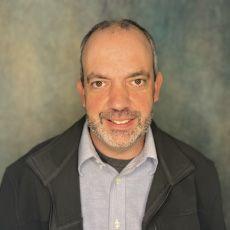
“Progress with diagnosing and treating all the different dementias has been halting and slow,” said Gestwicki, also a professor in the Department of Pharmaceutical Chemistry and senior author of the study. “We’re optimistic that our streamlined approach to screening dyes can change the landscape of research and, ultimately, the care we provide for these devastating conditions.”
Building better treatments
The same insights that help researchers understand and detect dementia can also point toward new therapies.
At UCSF, scientists are developing molecules that target proteins implicated in Alzheimer's disease, with the goal of interrupting the biological processes that drive neurodegeneration rather than simply treating symptoms.
Rather than focusing solely on symptoms, these approaches aim to interrupt the molecular processes that drive neurodegeneration.
“No single discovery is likely to cure dementia,” Craik said, “but progress is being made to unravel its complexity and how therapeutic interventions can prevent and even reverse its occurrence."