Global Rules Could Cut Costs and Speed Access to GLP-1 Drugs
Global Rules Could Cut Costs and Speed Access to GLP-1 Drugs
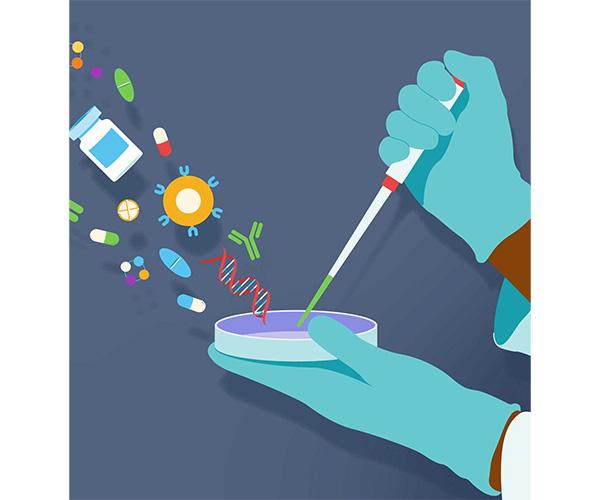
Nine out of 10 prescriptions are filled by generic drugs — FDA-approved carbon copies of brand-name drugs with expired patents. Over the last 30 years, generic drugs have saved trillions of dollars for hundreds of millions of people.
But newer biologic medicines, including blockbuster treatments for diabetes, cancer, and autoimmune disease, are harder to manufacture into generic form. Unlike traditional “small molecule” drugs made from chemicals, biologics are large, protein-sized molecules made in living cells. Their equivalents, called biosimilars, are close but not identical copies.
Now, a study from UC San Francisco researchers shows that the regulations for biosimilars vary around the world, slowing their development and adoption. The researchers say that aligning biosimilar approval across countries could make it easier for biosimilars to reach the market — and hopefully lower costs for all patients, just like generics.
“Just 5% of prescriptions are for biologics like Ozempic, but they make up more than half of all drug spending,” said Jonathan Watanabe, PharmD, MS, PhD, chair of the UCSF Department of Clinical Pharmacy and first author of the paper, which appears in JAMA Health Forum on May 31. “Yet many countries aren’t equipped to quickly vet and approve of new biosimilars, limiting access for patients.”
Read the full story.