Q&A: How UCSF Pharmacists Are Guiding Safe and Effective GLP-1 Use
Q&A: How UCSF Pharmacists Are Guiding Safe and Effective GLP-1 Use
As the holiday indulgence season approaches, and as public awareness about food, weight, and metabolic health continues to grow, the therapeutic landscape for the class of medications knowns as glucagon-like peptide 1 receptor agonists or GLP-1s and the dual glucose-dependent insulinotropic polypeptide (GIP)/GLP-1 receptor agonists is continually changing.
These medications have rapidly expanded in scope and are now FDA-approved and being prescribed for a range of conditions beyond type 2 diabetes.
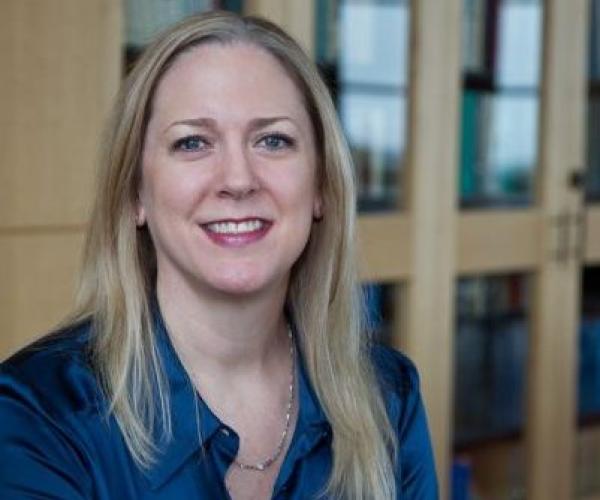
We spoke with Lisa Kroon, PharmD, assistant chief pharmacy officer of clinical innovation, education and research at UCSF Health and a professor in the UCSF School of Pharmacy Department of Clinical Pharmacy, about growing interest in GLP-1 medications and the important role pharmacists play in helping patients and clinicians navigate the clinical, financial, and access challenges of these popular drugs.
Q: GLP-1s are gaining a lot of attention. How does that compare with their actual history in diabetes care?
A: The first GLP-1 drug was approved in 2005, so health care providers, especially pharmacists, have a lot of experience with these medications. They’re very effective in helping people with type 2 diabetes achieve their glycemic goals. Then the drug companies noticed the added benefit — a side effect — of weight loss and began to study higher doses of GLP-1s just for the purpose of weight loss.
Now we’re seeing even more indications coming out. One GLP-1 medication is approved for sleep apnea, and another one is approved for patients with certain liver conditions called “MASH” or metabolic dysfunction-associated steatohepatitis. And there are additional studies suggesting benefits for rheumatoid arthritis and even dementia. It’s very exciting — a really interesting new area for pharmacists to consider, and an important continuous-learning opportunity for pharmacists and pharmacy students.
Q: How are pharmacists involved when patients start GLP-1 medication therapy?
A: Because GLP-1 medication indications have expanded, pharmacists, as drug therapy experts, have a strong role to play in their medication management. Patients start on a low dose, and then continually increase to a higher dose until treatment goals are achieved. Pharmacists work with patients as the doses are increased to make sure they're not having significant gastrointestinal side effects, like nausea or even vomiting, and that they aren’t having reactions at the injection site. We are very high-touch with patients as we’re titrating the medication and follow them closely, similar to what we do with blood pressure management.
Q: What should patients understand about access to GLP-1s?

A: A few years ago, we had a national shortage of these medications. The ones branded for diabetes were being prescribed for weight loss purposes, and compounding pharmacies stepped in because the FDA had designated a drug shortage. It was a real balancing act between diabetes patients and patients wanting to use GLP-1s for weight loss.
For weight loss purposes, many health plans are starting to limit their coverage and a prior authorization will likely need to be approved by the insurer. But even if the medication is approved, it’s still quite expensive. The manufacturers have direct access programs, too. Our pharmacy teams — pharmacists and technicians — continually navigate the payer coverage landscape to provide advice on how to obtain these medications at the lowest possible cost.
Q: With so much attention on weight, what’s the key message pharmacists want patients to hear?
A: When you stop the medication, the weight comes back. To maintain the weight loss, we have to also look at lifestyle changes, like exercise, physical activity, and healthier eating. Combining lifestyle changes with these medications can really help sustain the effects, while also making sure patients aren’t losing weight too rapidly, which can lead to other conditions, like hair loss, fatigue, and loss of muscle mass or bone density. These medications are pretty magical potions initially, but not forever.
Q: How do you see pharmacists shaping the future of chronic disease and metabolic care?
A: Pharmacists in our ambulatory setting have been very involved in chronic disease management, and we’re continuing to expand this. You have a group of drugs that aren’t just prescribed by primary care providers and endocrinologists anymore — they’re being prescribed by cardiologists, liver specialists, and pulmonologists caring for sleep apnea. It makes a lot of sense that the pharmacist, being the drug expert, would be central to the care for patients on these medications.
Patients don’t have to come in to see pharmacists in person necessarily for the ongoing care. We can provide this care by telehealth/video visits. But it’s a big opportunity for pharmacists to help with the medication management and the medication access part, and we definitely need to be front and center with this class of medications.